Across Canada
The Sixties Scoop impacted First Nations, Inuit and Métis communities across Canada. Learn more about the Scoop impacted these groups.
In Our Own Words
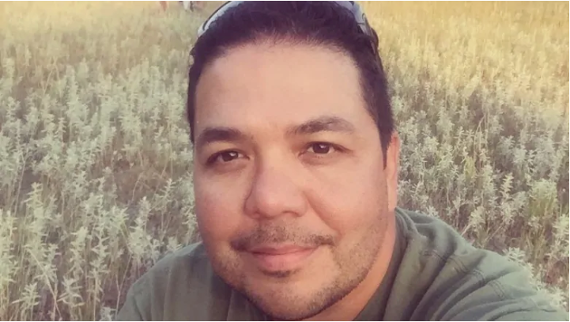
“It’s still impacting me. And more than anything, it’ll continually be a pain in my heart. It’s not something that can be resolved in a settlement payment. This will always be a piece of me that will never ever be restored.”
– 60’s Scoop Survivor Gord Bluesky
The Métis Experience
In 2018, the Manitoba Metis Federation interviewed Métis survivors, family members and political leaders who demand to be acknowledged by governments of the harm caused to Métis due to the sixties scoop. They seek reconciliation that is just and provides healing.
The Inuit Experience
Inuit babies, children and youth were also taken, placed in care and adopted out of the community. Why is this important to know? Because these voices have their own distinct stories of loss and hope that need to be heard. Beginning in the mid 1960’s Inuit women were being streamed out of home births and into hospital births by government protocols/policies. This meant that Inuit mothers were flown out of their communities and into urban centres to have their children. The institutional racism at urban hospitals resulted in many birth alerts against Inuit women. This gave the authorities the power to take newborns away from their mothers immediately.
Inuit children that were taken and put in the system experienced a significant loss when it came to culture and language. The Inuit worldview is reflected in their homelands in the far north where traditions and ways of doing are interconnected.
The majority of Inuit live in the 51 communities spread throughout Nunavut, Nunavik, Nunatsiavut and the Inuvialuit Settlement Region. These communities have been denied the opportunity to have these 774 courageous Inuit individuals grow with their own people and in their own lands. The 774 survivors (and we know that there are more) deserve treatment with dignity, respect and kindness. These strong and resilient Inuit survivors of the 60s Scoop have the right to reparation, commemoration and healing. A healing that is grounded in the knowledge and lands of their people. A healing that speaks to the heart and spirit. A healing that is whole.
The First Nations Experience
Statistics from the Department of Indian Affairs reveal a total of 11,132 status Indian children adopted between the years of 1960 and 1990. It is believed, however, that the actual numbers are much higher than that. While Indian Affairs recorded adoptions of ‘status’ native children, many native children were not recorded as ‘status’ in adoption or foster care records. Indeed, many ‘status’ children were not recorded as status after adoption. Of these children who were adopted, 70% were adopted into non-native homes. Interestingly, of this latter group, the breakdown rate for these transracial adoptions is also 70%!