Moving Forward
In Our Own Words
Musician and activist Buffy Sainte-Marie talks about the need for a new deal for Canada’s First Nations.
What Is Being Done About It?
The AFN (Assembly of First Nations) filed a complaint with the Canada Human Rights Commission in 2007, alleging that INAC’s (Indigenous and Northern Affairs Canada, now dissolved and replaced by Crown-Indigenous Relations and North Affairs Canada and Indigenous Services Canada) funding policies magnified disparities between Indigenous and non-Indigenous communities. The Auditor General of Canada confirmed in May 2008 that “Current funding practices do not lead to equitable funding among Aboriginal and First Nations communities.”
In 1989, Canada aided the drafting of the UN Convention on the Rights of the Child, an international treaty that established the minimum human rights standards for children worldwide.
Despite the fact that Canada contributed to the creation of the Convention, UNICEF reported in 2007 that “Canada has been slow to honor its commitment to uphold those rights and ensure the well-being of children.” The report addressed the situation of Aboriginal children in particular: “Improvements are urgently needed to ensure that Aboriginal children have adequate housing, safe food and water, protection from environmental contaminants and access to health care.”
60s Scoop Settlement Agreement
Only 774 Inuit survivors have applied for reparation through the 60’s Scoop Settlement Agreement. And only 152 Inuit survivor claims have been approved as of 2020. This represents only 20% of Inuit survivors that endured the loss, trauma and pain of the 60’s Scoop. The outcome of rejected or unprocessed claims represents a pattern of inequity and injustice.
The key elements of the Agreement-in-Principle are as follows:
- An investment of up to $50M by the Government of Canada to establish a Foundation to enable change and reconciliation.
- The intent of the Foundation will be to provide access to education, healing and wellness and commemoration activities for communities and individuals and help ensure the preservation, protection and revitalization of First Nations, Inuit, and Métis languages and cultures in a way that is complementary to government programs.
- The exact mandate of the Foundation will be negotiated directly with the plaintiff representatives, their counsel, Federal Court Justice Michel M.J. Shore and representatives from Canada beginning in late October 2017.
- A minimum of $500M and a maximum of $750M in individual compensation for Status Indians and Inuit.
- $75M for legal fees. Plaintiffs’ counsel have committed that they will not seek additional legal costs from the plaintiffs in order to ensure that compensation intended for plaintiffs is preserved for them. Additional funds will be included in the settlement agreement to cover administrative costs for the third party implementation of the agreement.
Sixties Scoop Survivors Reach $800M Settlement
Indigenous Sixties Scoop survivors reach $800M settlement with Canadian government
Telling Our Stories
Hear directly from Indigenous survivors.
Decolonization & Reconciliation
“Decolonization refers to the process of deconstructing colonial ideologies of the superiority and privilege of Western thought and approaches. Reconciliation is about addressing past wrongs done to Indigenous Peoples, making amends, and improving relationships between Indigenous and non-Indigenous people to create a better future for all.”
Learn more about the Truth and Reconciliation Commission’s 94 calls to action and how that work impacts reconciliation efforts.
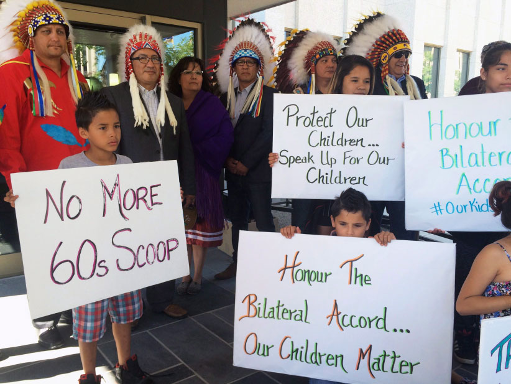
The Work Continues
The Truth and Reconciliation Commission of Canada’s (TRC) mandate was to understand the injustices and harms of residential schools and to expose the truth. The National Centre for Truth and Reconciliation was born from the TRC, and their mandate will continue the work of the TRC to understand the legacy and ongoing truth of all harms done to Indigenous children.
Finding this truth means hearing from those affected directly, nationally and internationally to hear from all the children, the families and the individuals that ran those systems to fully understand the colonial historical record of the scoop and what really happened. The inquiry is a way to help families understand the legacy of the scoop to provide an opportunity to heal, understand and repair the legacy, and for all Canadians to understand how many children were lost. This is why the NCTR is in full support of an inquiry into the 60’s Scoop System.
The End of Our 60’s Scoop Exhibit. But Not the End.
We look forward to seeing real change for Indigenous children and youth so that they may develop their gifts within a community of support and love. We look forward to your advocacy as part of learning the real truth on our road to reconciliation.
In Our Own Words
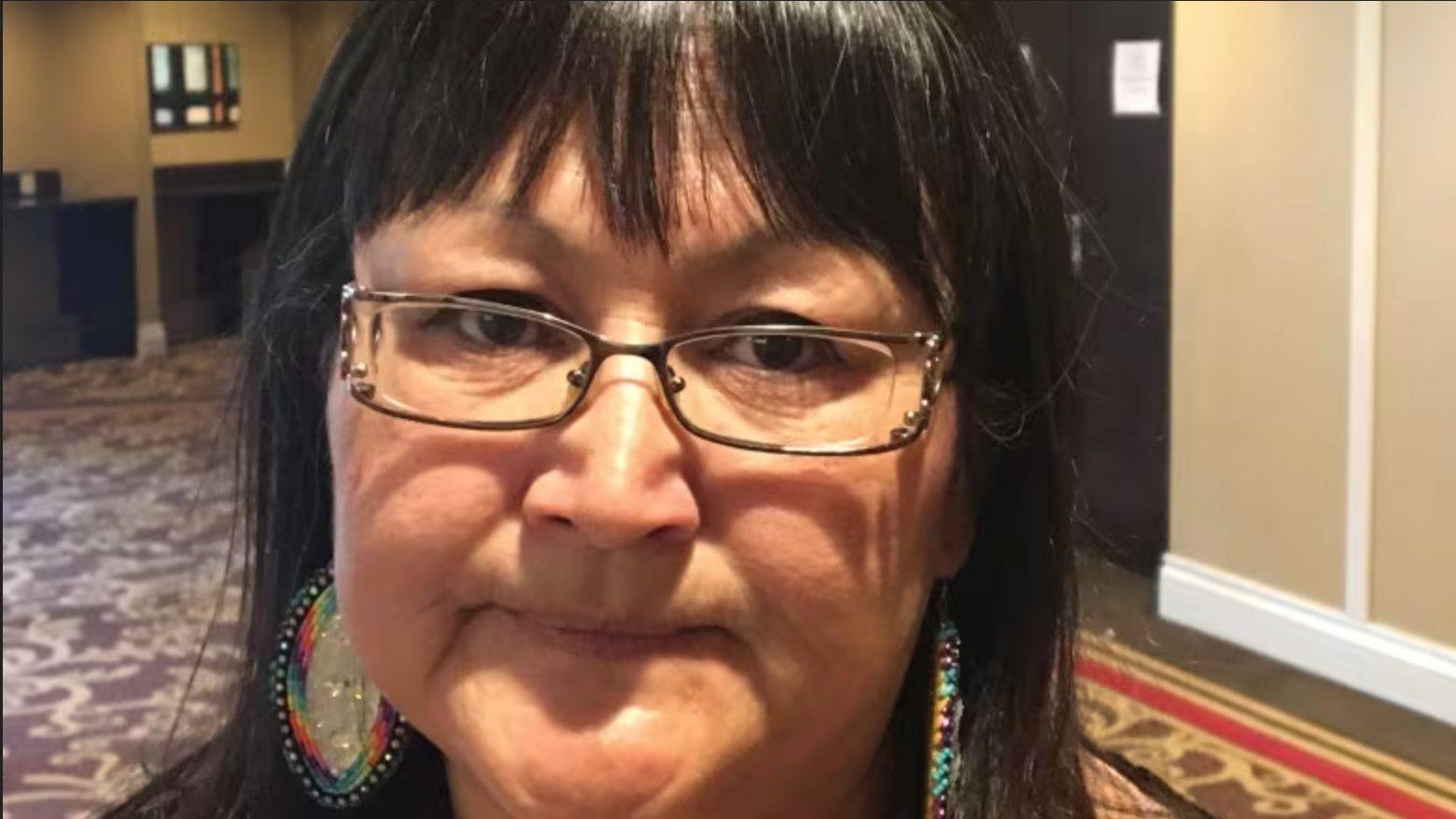
“We had no outside influence of any kind, of indigeneity, at all growing up. So this exhibit really speaks to us coming home to ourselves, to our communities…We just want to tell the story that there was something that happened between residential schools and modern-day child welfare. And we’re living people who have gone through this life experience.”
– 60’s Scoop Survivor Sandra Relling
60s Scoop Survivors
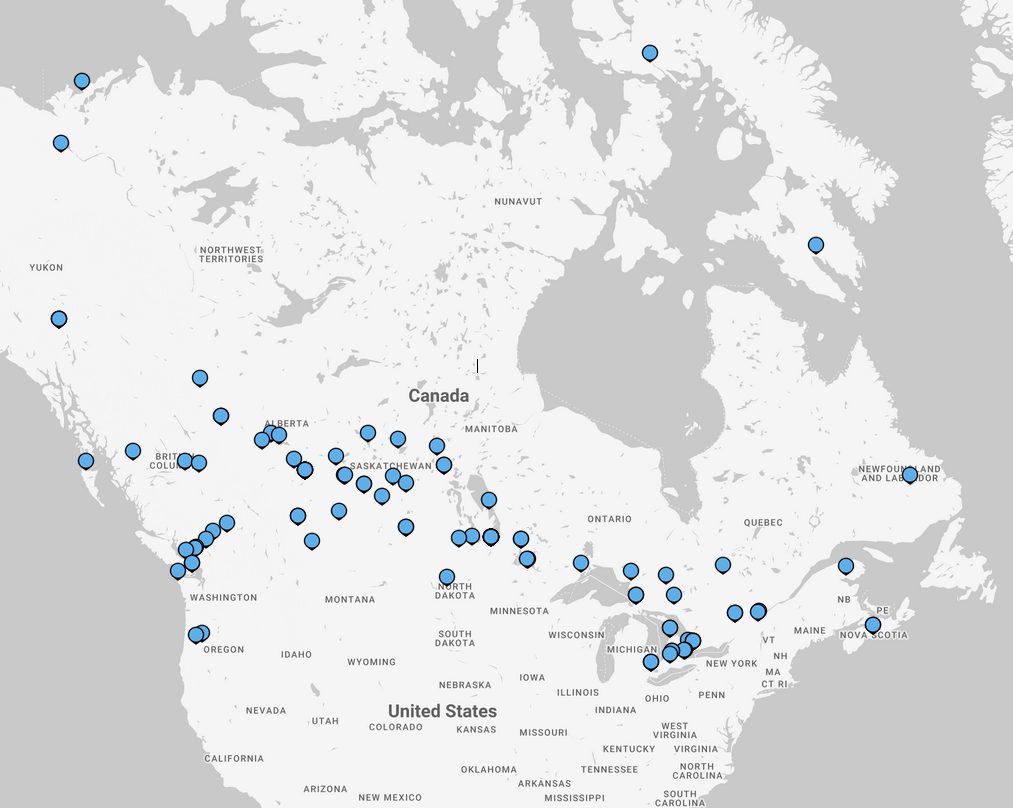
Use the QR Code to check out this map and learn about the courageous 60’s scoop survivors that have found their families or are searching for them. You may have the opportunity to connect with survivors and learn from them in a good way.
Challenge yourself to learn more. Use the QR code to visit Reconciliation Canada and find out how you can participate in truth and reconciliation.